

IEEE Launches Kazakhstan Section in Push to Expand Global Engineering Network
ASTANA, Kazakhstan — IEEE Kazakhstan Section has been officially launched following a series of high-level meetings and an opening ceremony held at Astana IT University during the 2026 IEEE Smart Information Systems and Technologies (IEEE SIST 2026) Conference, marking a significant step in the expansion of the global engineering and technology organization in Central Asia.
The launch was supported by senior representatives from the Government of Kazakhstan, IEEE Region 8 leadership, and Astana IT University. Among the participants were Kazakhstan’s Minister of Science and Higher Education, Sayasat Nurbek, IEEE Region 8 Director Dusanka Boskovic, IEEE Region 8 Secretary Ljupco Karadzinov, and Section Vitality and Development Coordinator Andrejs Romanovs, alongside university leadership and international academic guests.
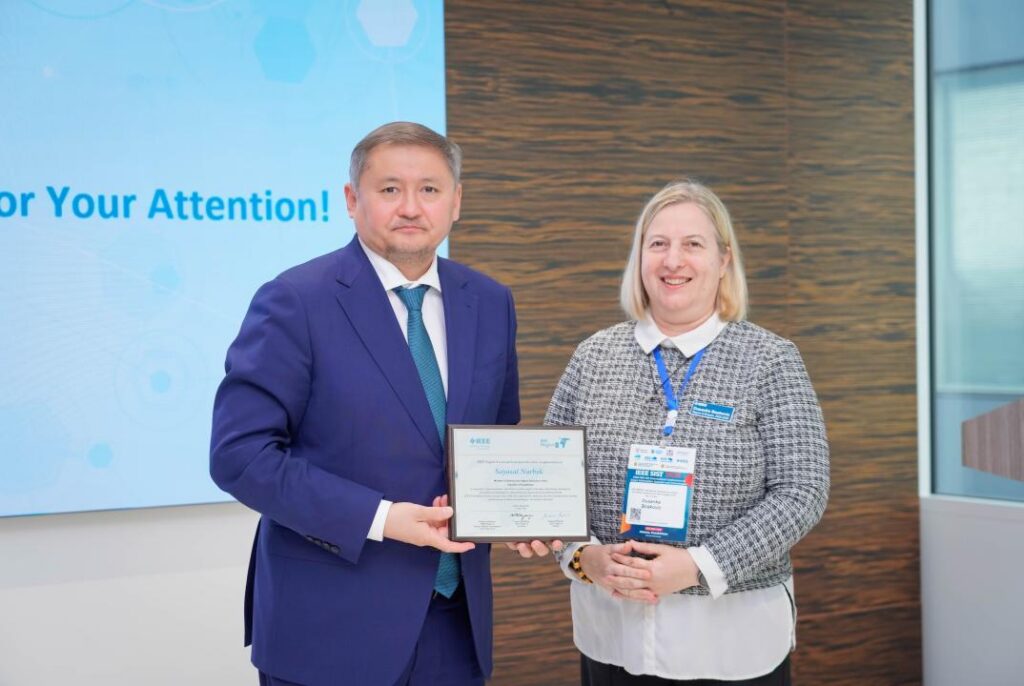
Officials and IEEE representatives emphasized that the creation of the Kazakhstan Section is aimed at strengthening the country’s integration into global scientific and engineering networks, expanding access to international research collaboration, and increasing participation in IEEE’s technical and professional communities.
IEEE, one of the world’s largest professional associations for the advancement of technology, connects more than 400,000 members globally and is known for its influence in fields such as electrical engineering, computer science, artificial intelligence, telecommunications, and emerging technologies. Through its journals, conferences, and technical societies, the organization plays a central role in shaping global research agendas and professional standards.
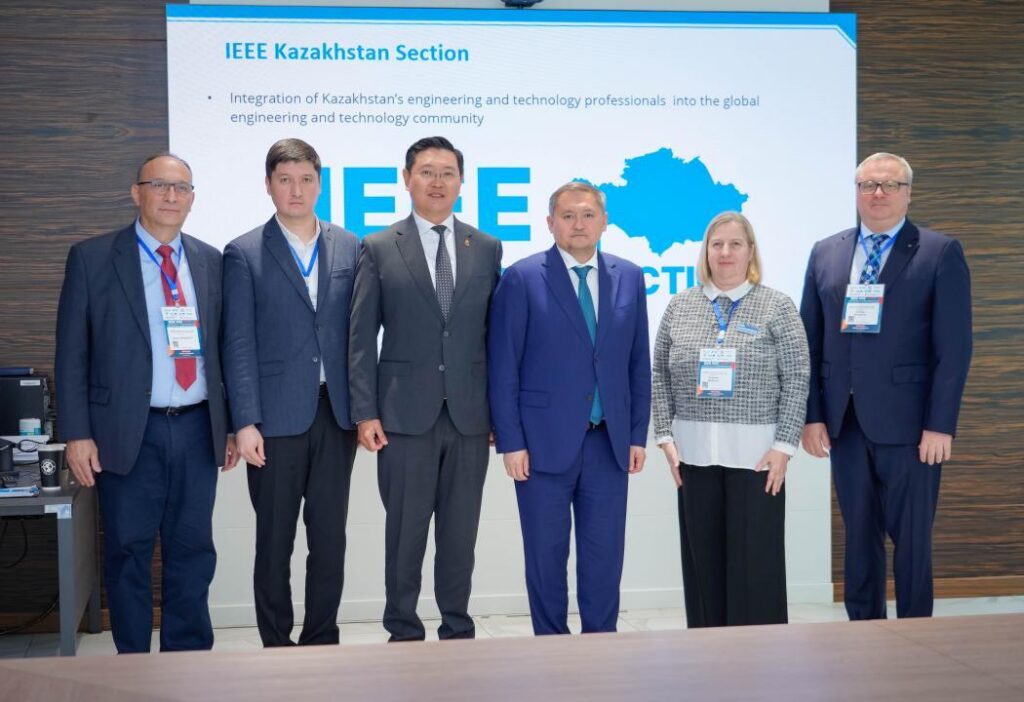
Speaking during the event, participants highlighted opportunities for Kazakhstan’s academic and research community to engage more actively with international projects, joint conferences, and knowledge exchange programs. The newly established IEEE Kazakhstan Section is expected to serve as a regional platform for collaboration between universities, industry, and researchers, particularly in areas aligned with digital transformation and innovation policy.
The launch also underscored broader efforts to strengthen ties between academia and industry in Kazakhstan, while supporting young researchers and students through access to global IEEE initiatives, competitions, and educational programs.

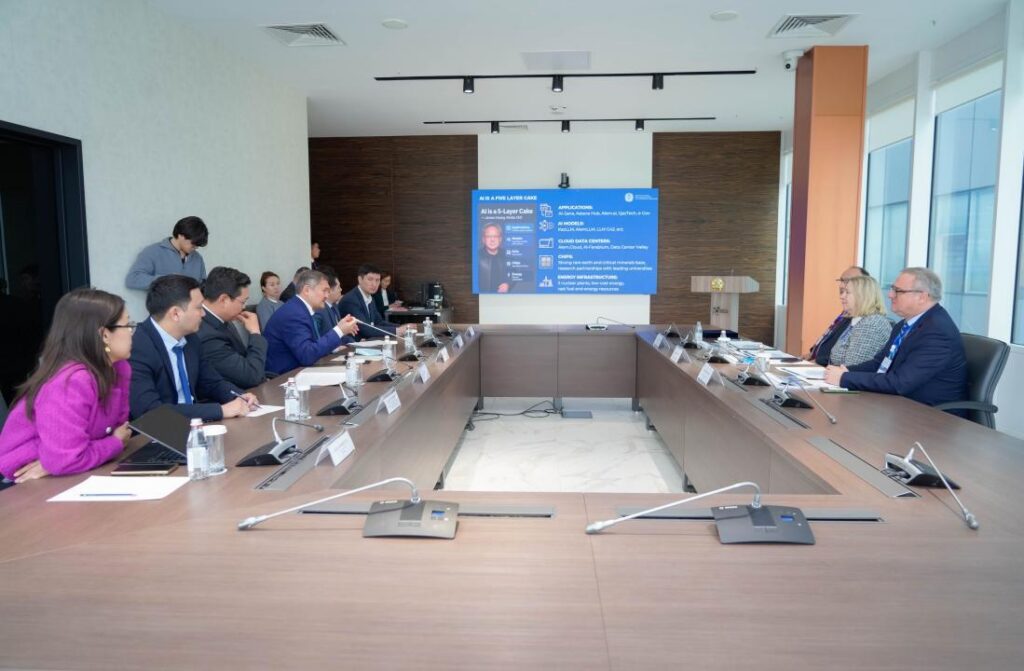
Organizers said the establishment of the Section represents a long-term commitment to developing a sustainable scientific ecosystem connected to global standards and practices.
The IEEE Kazakhstan Section is expected to begin full operations immediately, with plans to expand its membership base and initiate new technical and educational activities across the country and the wider Central Asian region.